
Montgomery County continues to advance its Climate Action Plan despite ongoing challenges, marking significant progress toward reducing emissions and strengthening climate resilience.
The plan serves as a long-term roadmap to guide local efforts to respond to climate change while improving quality of life for residents.
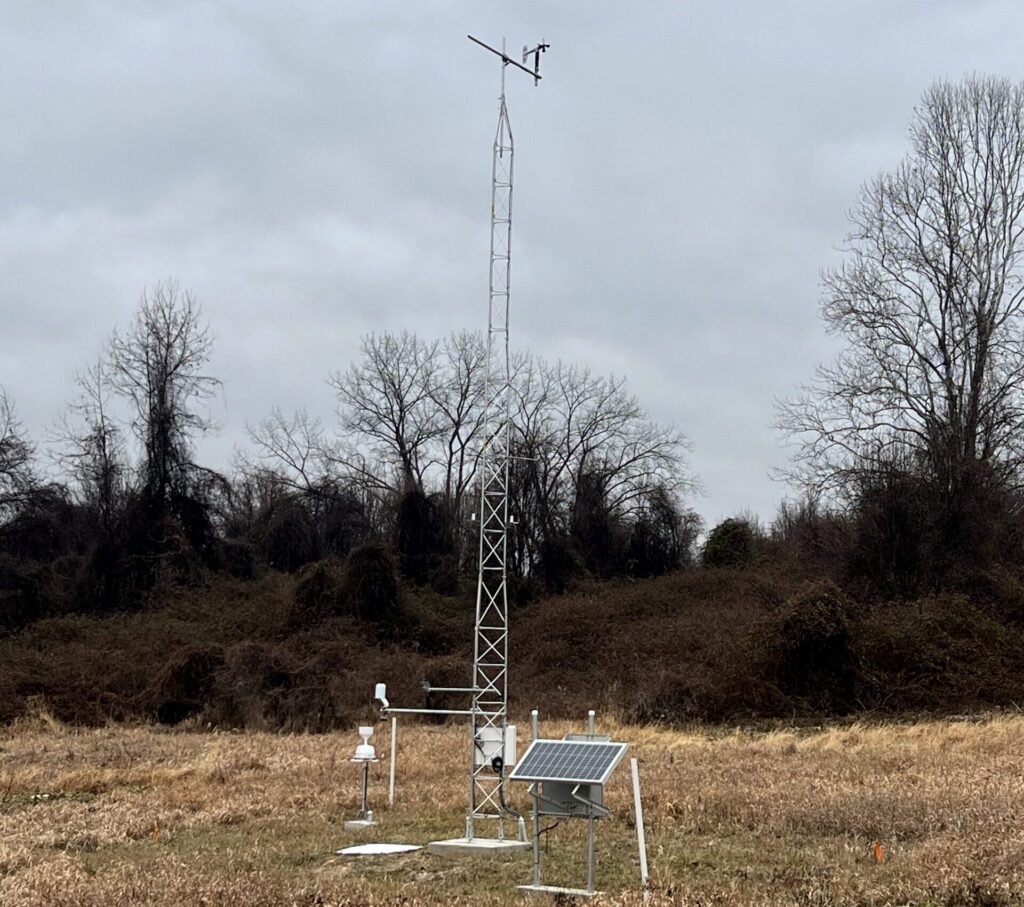
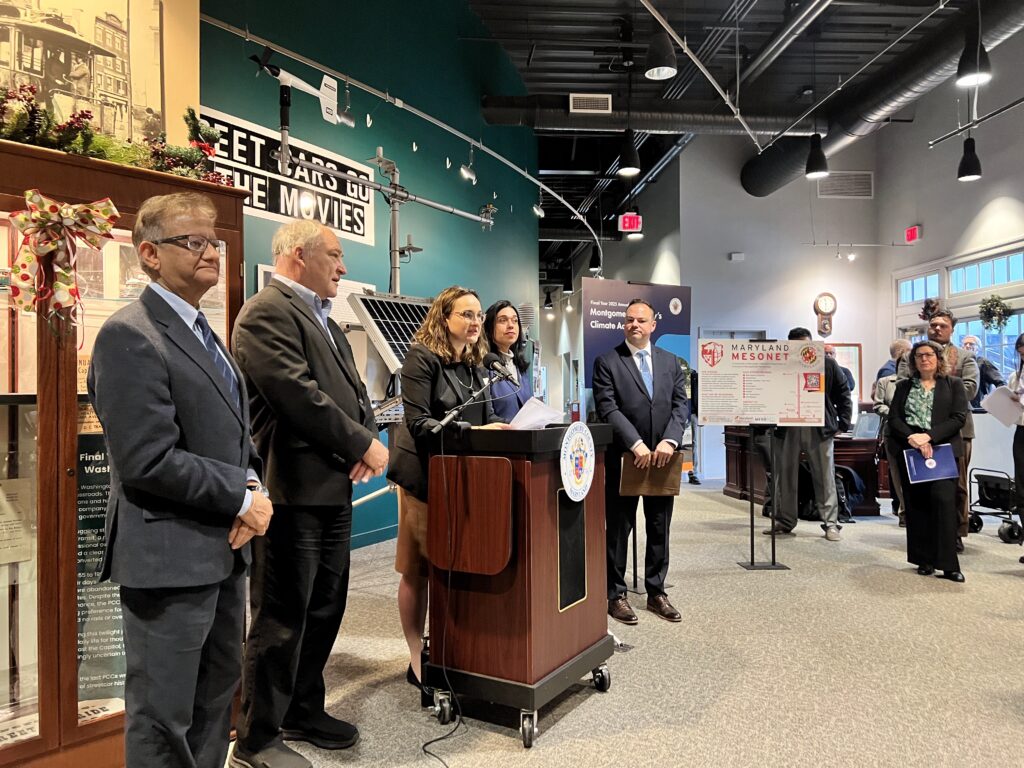
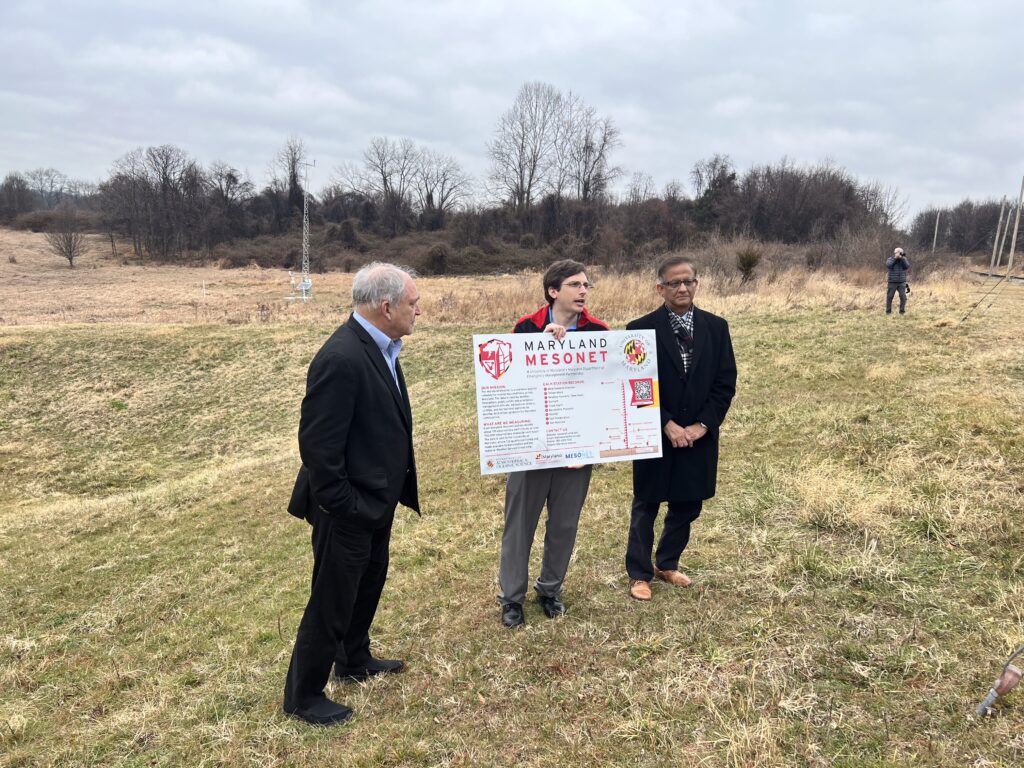
As part of these efforts, the county has expanded its partnership with the University of Maryland by installing its third Mesonet weather station. The term “Mesonet” combines the meteorological word “mesoscale” and “network.” The stations are part of a broader network designed to collect hyperlocal weather data in real time, improving forecasting accuracy and emergency preparedness.
University of Maryland researchers say expanding the network within Montgomery County helps fill gaps between existing towers, allowing for more precise short-term forecasts. “Near-term forecasts, especially the next few hours to two days, depend heavily on the completeness of the data we give the weather models,” said Sumant Nigam, Ph.D., director of the Mesonet program and a professor at Maryland. “The more information we collect, the better those forecasts become.”
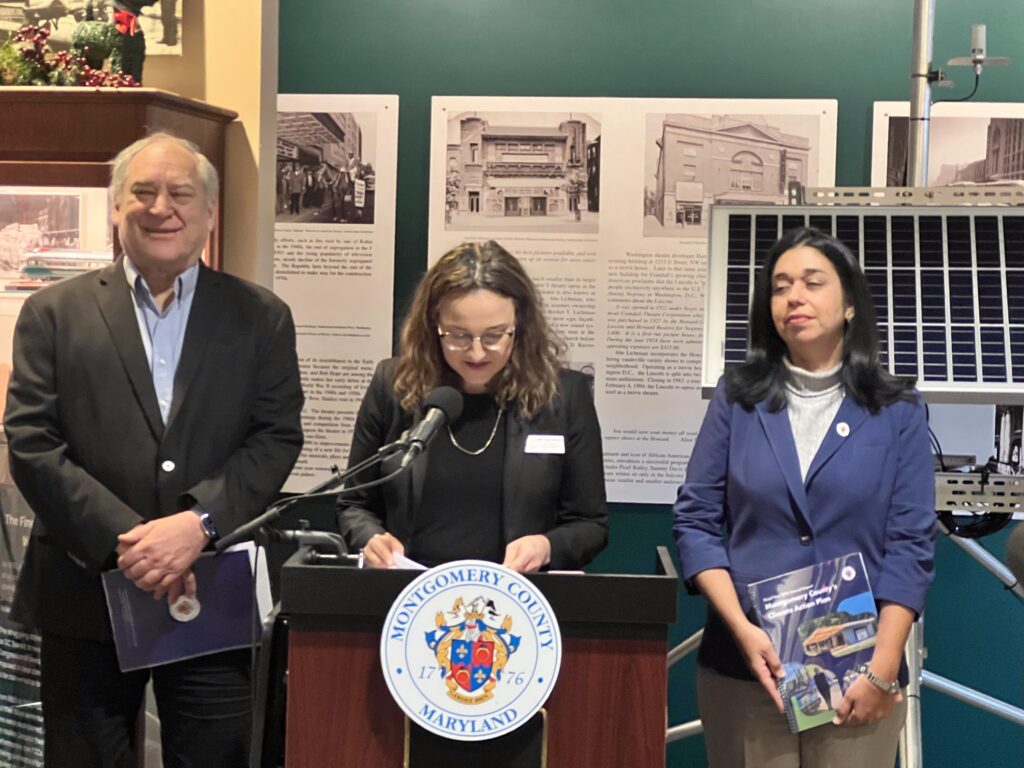
County leaders say the additional weather stations align with the goals of the Climate Action Plan, which prioritizes resilience in the face of increasingly frequent and severe weather linked to climate change.
County Executive Marc Elrich has cited limited cooperation from the federal government as one of several obstacles to fully implementing certain climate initiatives. Funding and regional coordination issues are also a barrier to progress, according to Elrich.
“One of the challenges is a totally uncooperative federal government,” Elrich said during a public discussion. “Historically, you look to them as a partner. If they’re not playing that role, everything downstream becomes more difficult.”
While many actions can be taken at the county level, Elrich said broader state and federal partnerships remain critical for achieving long-term climate goals.
Public engagement is also a key focus of the county’s climate strategy. Officials have highlighted efforts to expand outreach to diverse communities, including increased communication and engagement with Spanish-speaking and immigrant residents, to ensure climate programs and resources are accessible to all.
Comments are closed.