Although HIV is no long a death sentence, it still is a virus that can wreak havoc on a person’s body and mind. That is why Montgomery County set a goal of reducing new infections by 90% by 2030.
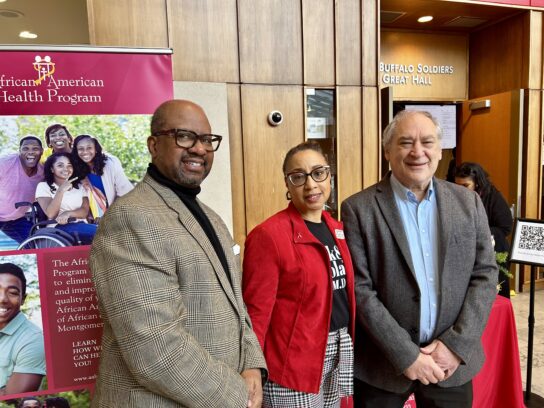
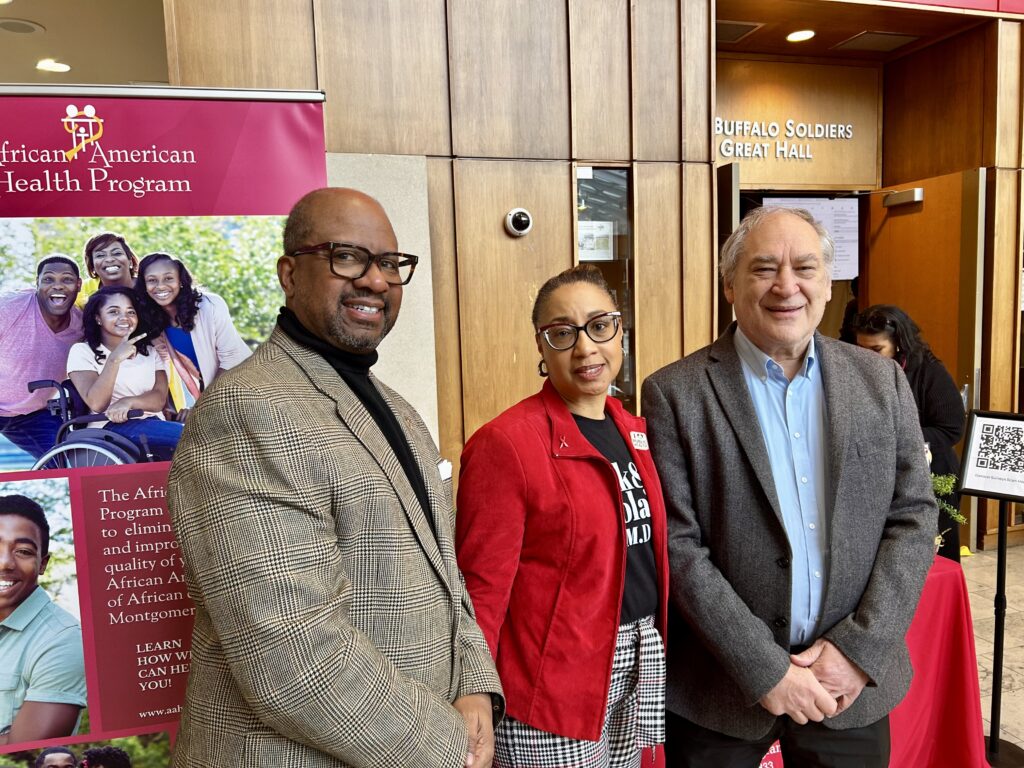
National Black HIV/AIDS Awareness Day was held Sunday at the Silver Spring Civic Center. It was sponsored by the African American Health Program (AAHP). The several hour event featured a combination of harsh facts, calming art projects and a list of ways to avoid being diagnosed with HIV.
Know your HIV status by getting tested. Prevent infections, and get treatment right away after being diagnosed, stressed Dr. Kisha Davis, Montgomery County’s health officer.
County HIV Statistics
More than 42% of residents who are diagnosed with HIV are Black, Davis said. While 100% of whites receive care within one year of being diagnosed with HIV, only 81% of Blacks do, she said.
While HIV rates are dropping, Blacks, and in particular Black women, have the highest rates in the county.
The county strives to have 95% of people who are diagnosed with HIV receive care within 30 days.
Medicine now, if taken right way, can suppress viral infections by 95%, according to Dr. Nina Ashford, the county’s chief of public health sciences.
Stigma Leads to Silence
It is important to reduce the stigma of HIV and other sexually transmitted diseases, said Councilmember Laurie-Anne Sayles, who spoke to the participants virtually. “Stigma still silences conversations,” she said.
“Silence is what this epidemic feeds on,” agreed McNeil.
“Many of the folks I met years ago are no longer around to attend this session,” said Dr. James Bridger, director of the county’s Department of Health and Human Services.
The county provides testing and medical care, especially for the “underrepresented and misrepresented population,” but people have to take advantage of what is offered, Bridgers said.
“Trust in the community. This is what it is all about. It’s about trusting that this community will have those preventions, education and testing access in place.”
Finding Patients
County Executive Marc Elrich pointed out that the county learned during the pandemic to look to the nonprofit and interfaith communities for their ability to reach out to the most needy. That same philosophy is being used to reach out to those who might have HIV.
During the seven years he has been executive, “We increased social spending by something like 70%,” he said.
“This county is not going backwards. We still do DEI. That’s part of our policy,” he said, referring to diversity, equity and inclusion.
Prevention is Key
PrEP, pre-exposure prophylaxis, “is extremely effective in preventing HIV,” said Gabriellia McNeil, a community health worker at AAHP. “Think about it as birth control for HIV.”
In 2025, the county tested more than 1,000 people. During the event, a room was set up to test participants, who then received the results in 12 minutes.
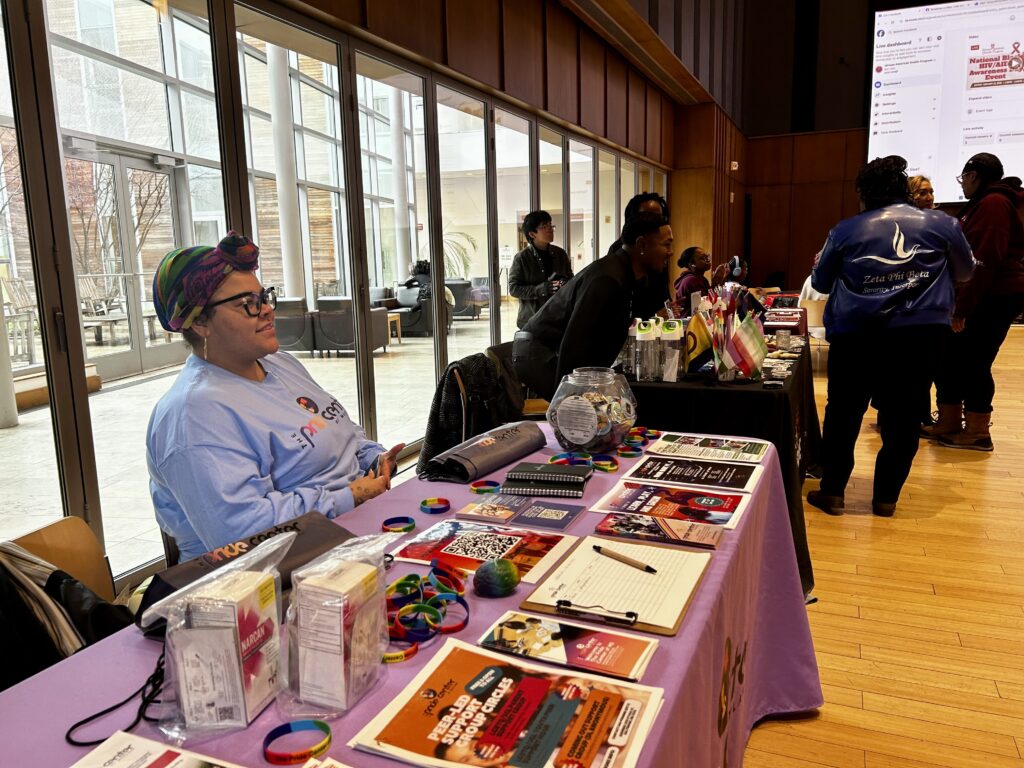
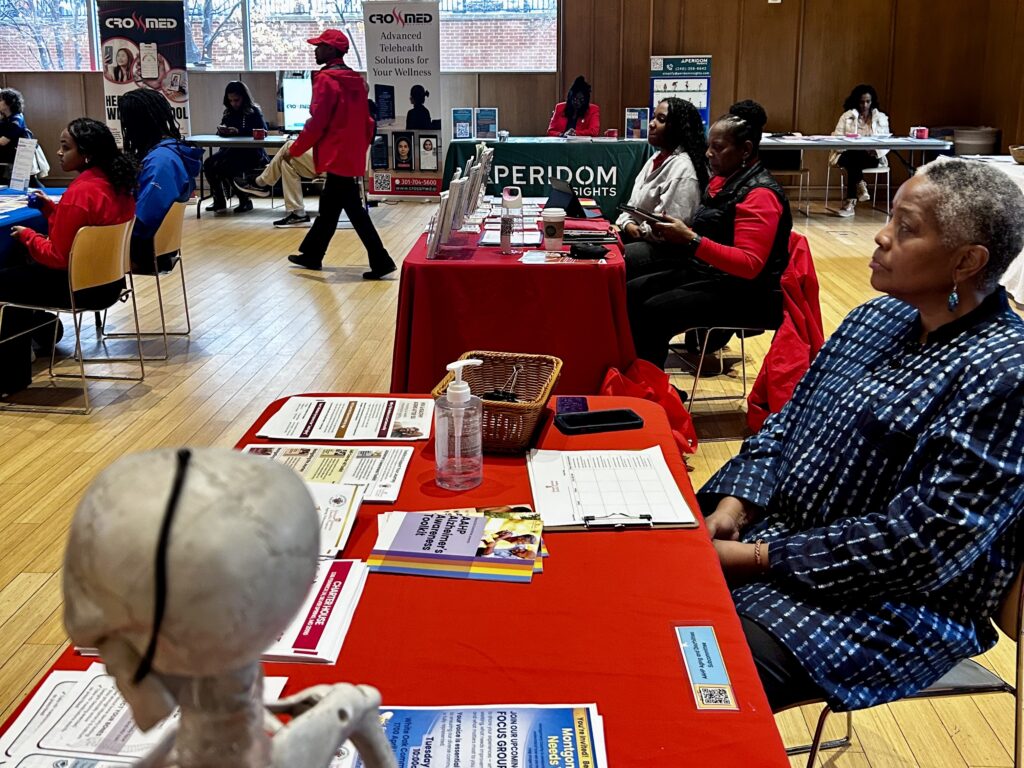
About 25 vendors answered questions and handed out information during the event.
Event going on Silver Spring Civic Center Sunday afternoon @mymcmedia pic.twitter.com/FqOio6q7Ti
— suzanne pollak (@SuzannePollak) February 22, 2026



Comments are closed.