
Before you board your flight, there’s one topic that deserves just as much attention as your passport—your personal finances.
Whether you’re spending a semester in Europe, teaching English in Asia, completing an internship in South America, or on vacation, understanding how to manage your money overseas can save you time, stress, and unnecessary expenses.
Choose the Right Banking Strategy
Before leaving the United States, notify your bank and credit card companies about your travel plans. This helps prevent your cards from being flagged for suspicious international activity.
Ask your bank about:
- International ATM fees
- Foreign transaction fees
- Daily withdrawal limits
- Emergency card replacement services
Many travelers also open a checking account with a bank that reimburses international ATM fees or offers no foreign transaction fees. If you’ll be living abroad for several months, consider opening a local bank account, if your school or employer recommends it. A local account may make it easier to receive paychecks, pay rent, and avoid repeated international transaction fees.

Understand Foreign Currency
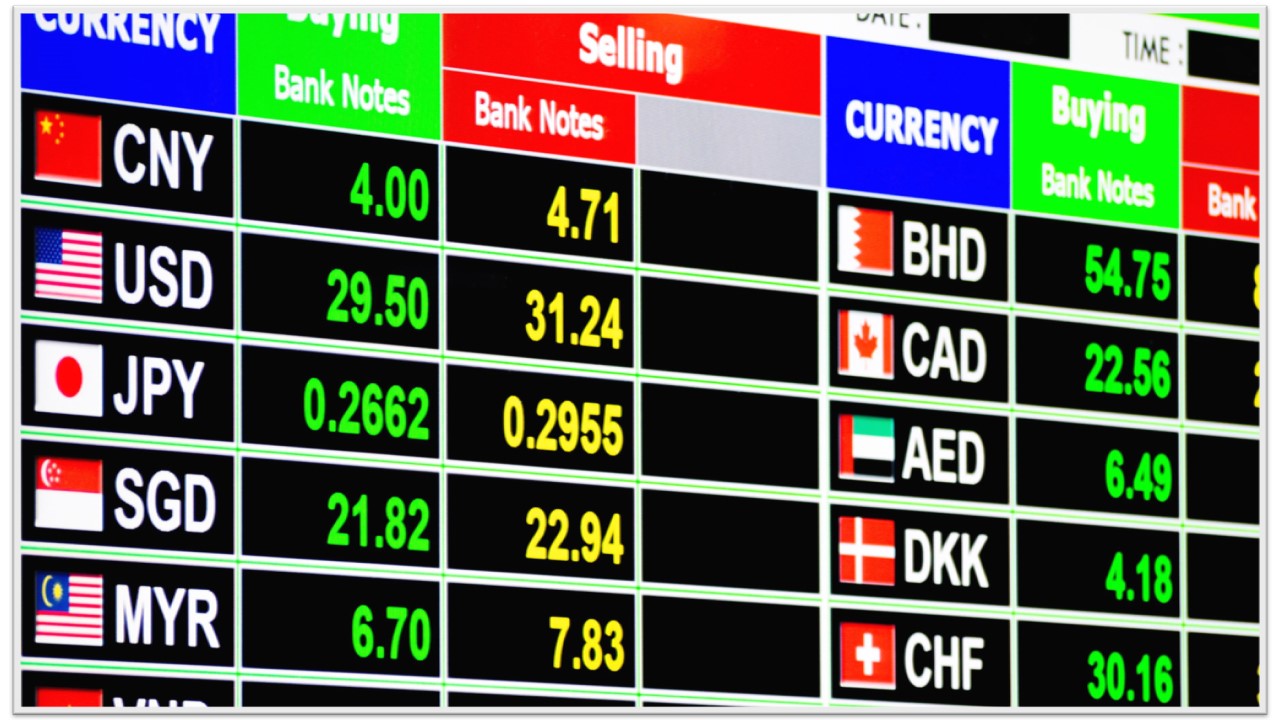
Every country has its own currency, and exchange rates change daily. Before your trip, familiarize yourself with the local currency and current exchange rate so you’ll have a general idea of what things cost.
When exchanging money:
- Use bank ATMs whenever possible.
- Avoid exchanging large amounts of cash at airports, where rates are often less favorable.
- Keep a small amount of local currency for transportation, meals, or emergencies upon arrival.
Many businesses now accept contactless payments and digital wallets, but cash is still important in some countries, especially in rural areas and local markets.
Protect Yourself from Common Scams
Unfortunately, tourists, students, and foreign workers are often targets for scams because they may be unfamiliar with local customs and banking practices.
Some common scams include:
ATM Scams: Use ATMs located inside banks whenever possible. Cover the keypad when entering your PIN and inspect the machine for anything unusual.
Currency Exchange Scams: Avoid exchanging money with individuals on the street who promise “better rates.” Use licensed exchange offices or banks.
Pickpocketing: Crowded train stations, buses, festivals, and tourist attractions are common locations for theft. Carry only the cash you need for the day and keep valuables secure.
Fake Payment Requests: Never send money to someone claiming to represent your university, employer, or government agency without independently verifying the request through official contact information.
Use Credit Cards Wisely
Whenever possible, use a credit card with no foreign transaction fees. Credit cards generally provide stronger fraud protection than debit cards. Carry at least two payment methods and store them separately in case one is lost or stolen.
It’s also a good idea to keep digital copies of your passport, banking information, and emergency contact numbers in a secure cloud storage account.
Build an Emergency Fund
Unexpected expenses happen—a delayed flight, a medical visit, or replacing a lost phone. Before traveling, set aside emergency savings that you can access quickly if needed.
Finally, create a simple monthly budget. Tracking your spending will help you enjoy your experience without returning home with unnecessary debt.
Travel Talk Tip
Financial confidence is one of the best travel companions you can bring abroad. By planning ahead, understanding local banking practices, and staying alert to common scams, you’ll spend less time worrying about your money and more time enjoying the incredible opportunities that studying abroad, working abroad, or vacationing abroad has to offer.
Safe travels and remember: the smartest travelers aren’t just prepared for their journey—they’re prepared to manage their money wherever in the world it takes them.
Disclaimer: Banking regulations and financial services vary by country, therefore readers are encouraged to confirm current information governing foreign transactions with their financial institution and host country’s banking authorities.
About Travel Talk with Sheila and Friends Blog
Travel Talk with Sheila and Friends Blog Series serve as a digital companion to the Travel Talk with Sheila and Friends Podcast. It expands on the “Travel Talk Study and Work Abroad Tips” segment, offering practical insights, resources, and advice for students, recent graduates, and young adults interested in study and work abroad opportunities. By creating a dedicated space for written content, the blog strengthens community engagement, provides evergreen resources, and encourages ongoing discussion beyond podcast episodes.
Travel Talk with Sheila and Friends Podcast YouTube Channel
https://www.youtube.com/@sgotraveltalk/videos



Comments are closed.