Montgomery County is expanding its network of weather stations and flood sensors as officials seek to improve warnings and emergency response ahead of severe storms, flooding and other extreme weather.
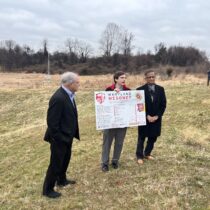
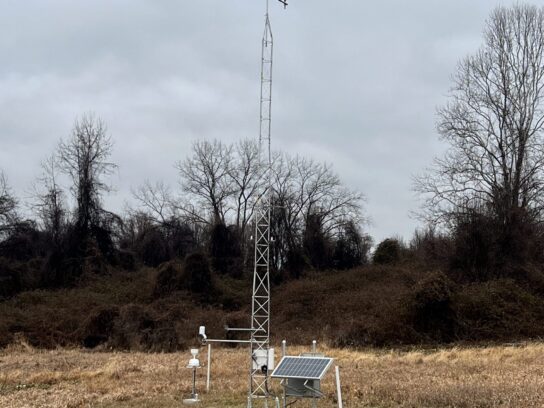
The first locally-funded extension of the Maryland Mesonet weather monitoring system went online Sept. 2 at the Oaks Landfill in Laytonsville. Additional stations are planned in Gaithersburg, Germantown and the Chevy Chase and Silver Spring areas and are expected to become operational by the end of the year.
An additional flood sensor will also be installed in Laytonsville to help first responders monitor rising water at low-water crossings.
The expansion is being funded with assistance from the county’s Climate Change Planning Non-Departmental Account and support from Climate Change Officer Sarah Kogel-Smucker.
“The Mesonet stations are an important network of automated weather stations that seek to fill gaps and help us prepare for storms that may affect targeted areas of the community,” said County Executive Marc Elrich.
The solar-powered stations collect real-time information on air and soil temperatures, humidity, soil moisture, wind speed, atmospheric pressure and precipitation. County officials said the additional data can provide emergency managers with earlier warnings during events such as tornadoes and flash floods.
The county currently has 40 flood sensors installed throughout Montgomery County. Officials said the combination of flood sensors and Mesonet stations will provide more localized information about some of the region’s most dangerous weather hazards.
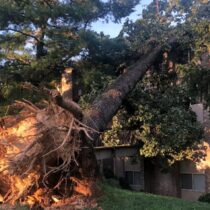
“Early warnings generated by the Maryland Mesonet System will help us better prepare for the extreme weather events we are seeing with greater frequency as a result of climate change,” said Luke Hodgson, director of the Office of Emergency Management and Homeland Security.
The University of Maryland, which operates the Maryland Mesonet, said the growing network will help researchers develop a more detailed picture of changing climate conditions and seasonal weather extremes.
“These additional stations will significantly increase surface weather observations in Montgomery County,” said Matt Miziorko, an emergency management specialist with the county. “We will have continuous, community-level weather data in the county to help with proactive decision making.”
University of Maryland Department of Atmospheric and Oceanic Science Chair Sumant Nigam said the stations will provide both immediate benefits for emergency response and longer-term data for studying climate trends.
The expansion comes as Montgomery County encourages residents to prepare for severe weather and other emergencies as part of National Preparedness Month.