
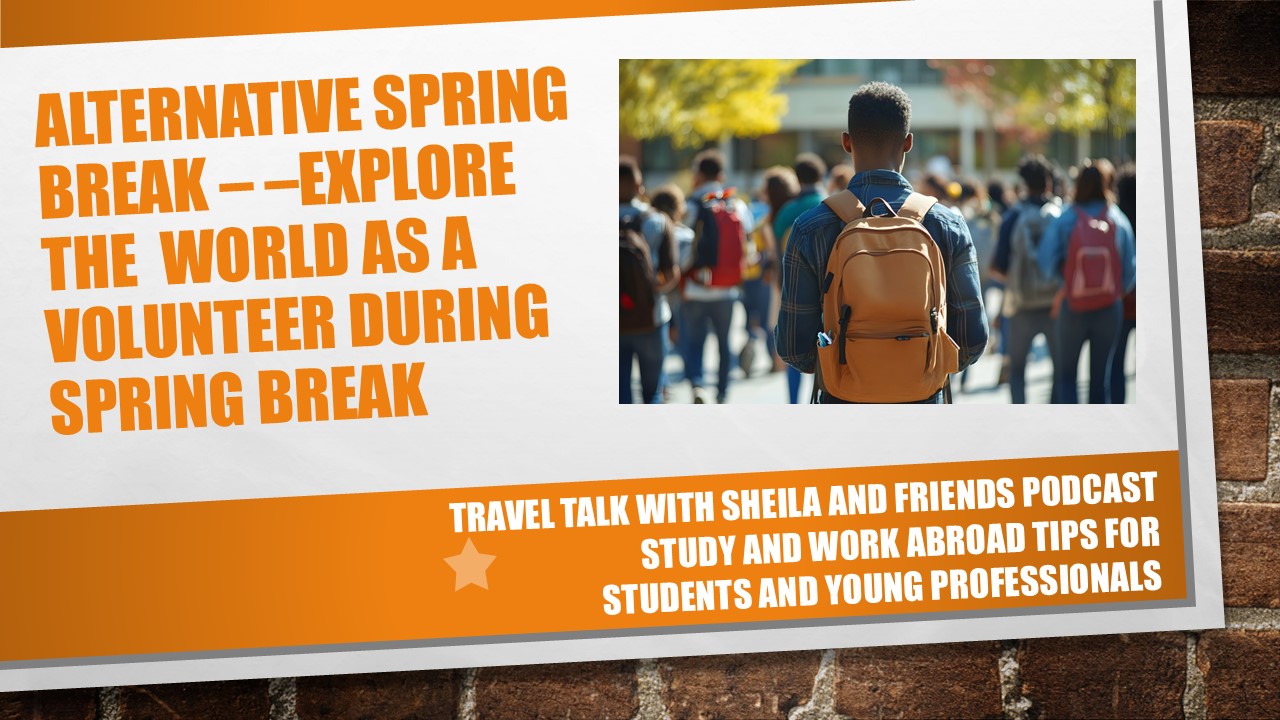
When most students think of spring break, images of beaches and parties come to mind. But for many college students, spring break has become a time for something more meaningful: volunteering and mission trips abroad. These alternative spring breaks combine travel with service, allowing young adults to make a positive impact while experiencing new cultures.
What Are Alternative Spring Breaks?
Alternative spring breaks are week-long service trips organized by universities, nonprofits, and faith-based organizations. Instead of focusing on leisure, students spend their break volunteering in communities—both in the U.S. and abroad. Activities can range from building homes and teaching English to supporting health clinics or participating in environmental conservation.
Benefits of Volunteering and Mission Trips
- Personal Growth: Students often return with a deeper sense of purpose, confidence, and cultural awareness.
- Professional Experience: Service projects strengthen resumes, especially for careers in education, healthcare, international development, or social work.
- Global Perspective: Living and working alongside local communities provides firsthand insight into challenges like poverty, climate change, and access to education.
- Friendship and Networking: Students form strong bonds with peers and mentors, creating connections that last beyond college.
How to Find Programs
- University Programs: Many colleges and universities offer organized alternative spring break trips through student affairs or campus ministry offices.
- Nonprofit Organizations: Groups like Habitat for Humanity, Global Brigades, and International Volunteer HQ run service trips tailored to students.
- Faith-Based Mission Trips: Churches and faith-based organizations often lead mission trips that combine service with spiritual growth.
- Online Search: Websites like GoAbroad and Volunteer World list opportunities for both domestic and international programs.
Tips for Preparation
- Budget Early: Trips vary in cost, often ranging from $500–$2,000 depending on the destination. Fundraising and scholarships can help offset expenses.
- Do Your Research: Learn about the host community’s culture, language, and history before you go.
- Pack Smart: Bring practical items like work clothes, sturdy shoes, and personal supplies, but also pack an open mind and flexible attitude.
- Stay Healthy: Check vaccination requirements, purchase travel insurance, and follow safety guidelines provided by the program.
Final Thoughts
- Alternative spring breaks are more than just a trip, they’re life-changing experiences. Keep a journal or blog to record your experiences—you’ll appreciate looking back on how the trip impacted you. For students ready to trade the beach for a chance to serve, volunteering and mission trips offer an opportunity to travel with purpose, make an impact, and return with memories that matter.
Subscribe to Travel Talk with Sheila and Friends Podcast YouTube Channel for More Episodes as Released! https://www.youtube.com/@sgotraveltalk/videos.




Comments are closed.