This week, Maryland’s Department of Agriculture is spotlighting emerging invasive plant pests and forest pests as part of a statewide effort to prevent infestations, and inform residents how to report and manage these harmful organisms.
Invasive Species Awareness Week draws attention to non-native pests and pathogens threatening Maryland’s environment, economy and natural resources, officials said.
“Invasive species can have major economic impacts ranging from the loss of economically valuable species to costs of controlling or managing infestations on public and private lands,” according to Department of Agriculture in a statement.
National Invasive Species Awareness Week is an international event to raise awareness about invasive species, the threat that they pose, and what can be done to prevent their spread. Learn more: https://t.co/oU8mhyq69m pic.twitter.com/Hw2RkFfklf
— Montgomery County DHHS (@MoCoDHHS) February 24, 2026
Among the insects and diseases highlighted are long-established and emerging invaders that attack trees and other plants:
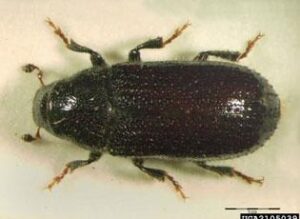
Pine shoot beetle. Photo courtesy: U.S. Department of Agriculture, National Invasive Species Information Center.
- Emerald ash borer: An exotic beetle native to Asia, it has killed millions of ash trees across the United States since its detection in 2002. The pest threatens street trees, forests and nursery stock and has spurred ongoing monitoring and control programs in Maryland in cooperation with federal and state partners.
- Thousand cankers disease: Caused by a fungus (Gesmithia morbida) carried by the walnut twig beetle, this disease attacks healthy walnut trees and threatens millions of trees in forests and urban areas. Maryland has established quarantines to limit the movement of infested material.
- Asian longhorned beetle: While not yet found in Maryland, this destructive insect poses a serious threat to hardwood trees if introduced. The beetle has caused significant tree losses in infested areas such as New York City and Chicago, and early detection is considered vital for containment.
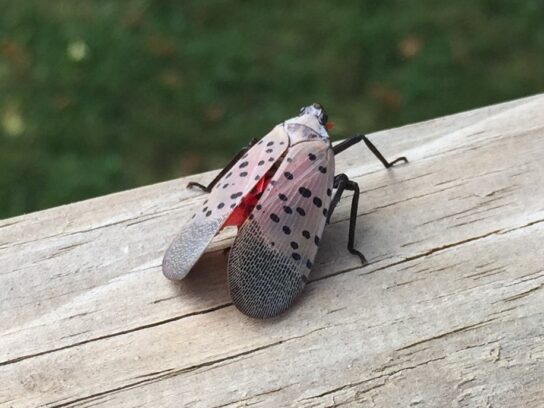
- Spotted lanterfly: A planthopper native to eastern Asia, first detected in Maryland in 2018, has since been confirmed in most counties, posing particular risks to vineyards and other plant hosts. Adult lanterflies and their egg masses can spread to vehicles and outdoor equipment, underscoring the need for public reporting and management.
- Pine shoot beetle: Regulated under state and federal quarantine, this tiny beetle attacks pine shoots and can lead to a decline in pine stands, which is when the movement of regulated pine materials is restricted to help suppress the spread.
- Phytophthora ramorum: A waterborne plant pathogen responsible for sudden oak death, has been the subject of national surveys and quarantines. While the organism has been eradicated at nursery sites in Maryland and has not been detected in the wild within the state, monitoring continues to protect susceptible plants and forests.
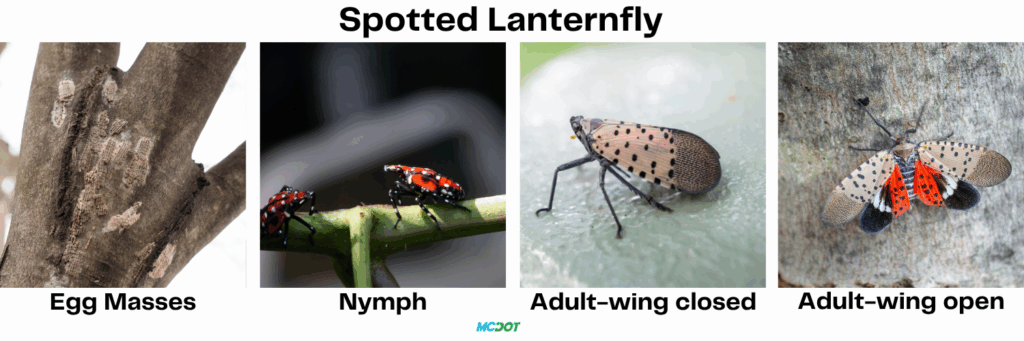
(Photo/Montgomery County Department of Transportation)
Officials urge residents to be vigilant and report suspected sightings of invasive plant pests. Early detection helps limit the spread and reduce impacts to Maryland’s natural landscapes.
For more information on invasive species, reporting procedures and quarantine orders, visit the Maryland Department of Agriculture’s plant pest management pages.


Comments are closed.