The state of Maryland leads the nation as the fifth most populous area for people living with sickle cell disease, an inherited genetic blood disorder that prevents oxygen from flowing properly throughout the body.
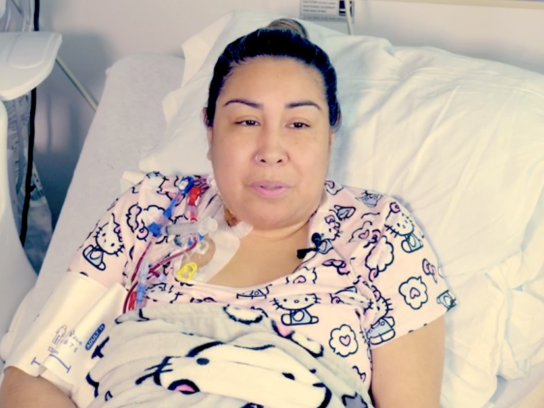
It is described as debilitatingly painful by patients like Jessica Ceja, a 41-year-old Silver Spring wife and mother of three who Monday became the first Montgomery County resident and only Maryland adult to receive a rare stem cell treatment approved by the FDA that uses the patient’s own DNA, genetically engineered to help mitigate the side effects of sickle cell, and possibly even cure the disease.
The treatment allowed Ceja to bypass the process of having to look for a stem cell donor and match.
“As an only child, I don’t have a match and my parents are a little bit older, so they wouldn’t be able to donate,” Ceja said in a statement from her hospital bed while in recovery.
Ceja, who works in the healthcare industry as a patient liaison at a Washington, D.C., hospital, received the innovative stem cell treatment, called Lyfgenia, Monday at the University of Maryland Medical Center in Baltimore. It was approved by the FDA about a little over two years ago.

Jessica Ceja and her family on a cruise.
“Sickle cells can block blood flow to nearly every organ, causing excruciating pain—like having a migraine throughout the entire body, affecting the bones, back, limbs and chest,” said Dr. Mark T. Gladwin, a leading investigator on sickle cell research and dean of the University of Maryland School of Medicine where Ceja received her stem cell therapy.
Early clinical trials showed the treatment reducing pain in about 90% of patients who participated, among other benefits. Doctors say they need to see more long-term data before they officially call it a cure, but for now University of Maryland’s medical researchers feel safe calling it “transformational” and “life changing,” according to a spokesperson who spoke to MCM News.
Ceja is one of only two people in the state of Maryland to undergo the treatment. A 12-year-old boy from Clinton, Maryland was the first–in the United States–following FDA approval for commercial use.
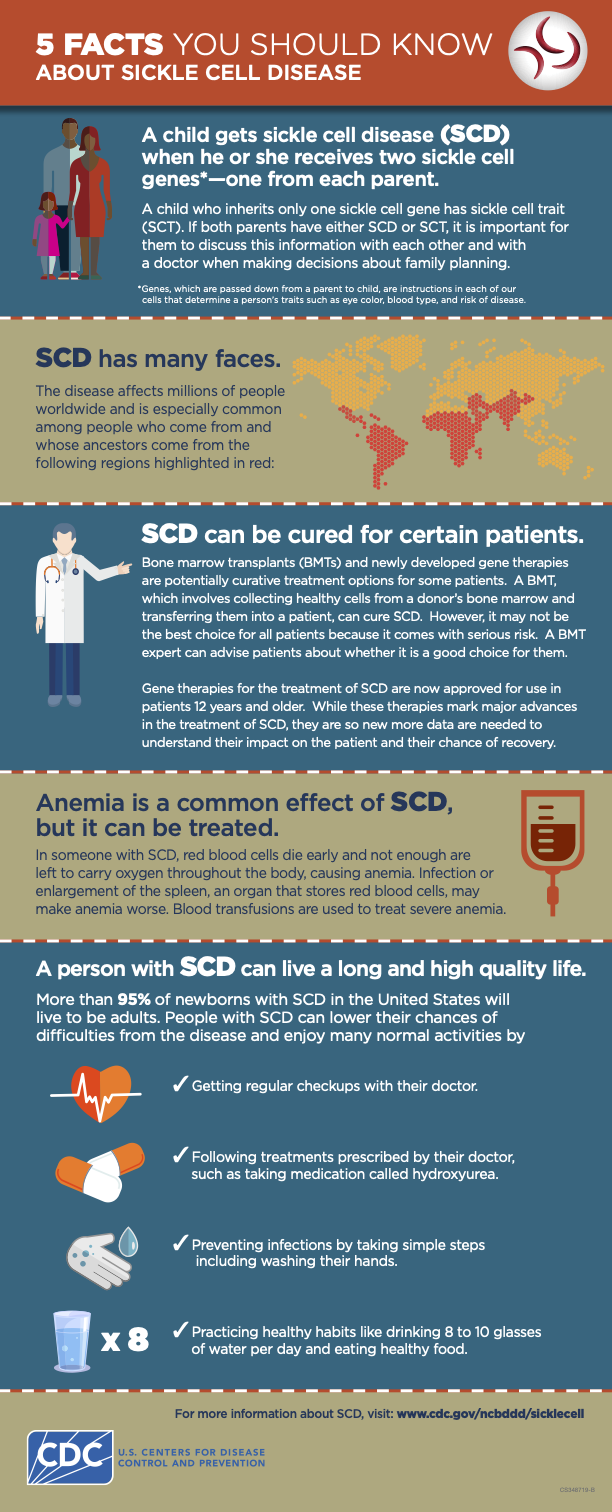
Sickle cell disease affects about 100,000 people in the U.S. and millions more worldwide, according to the American Society of Hematology.
Ceja was diagnosed with the disease at the age of two.
More than 5,000 Marylanders are living with the disease. The condition most commonly affects people of African descent (among whom 1 in 12 carries a sickle cell gene), followed by people from Central and South America and people with Middle Eastern, Asian, Indian and Mediterranean ethnic origins, according to the hematology society.

Comments are closed.